Practical Applications of Automation in Retail
Automation is reshaping the retail landscape, enabling businesses to improve efficiency and customer experience. This article explores real-world applications of automation in retail settings, discussing how these implementations can lead to significant performance enhancements.
Understanding the Basics of Retail Automation
Retail automation encompasses a range of technologies designed to streamline operations, reduce manual tasks, and enhance customer service. According to research by the National Retail Federation, automation can reduce labor costs by up to 30%, which is critical for maintaining profitability in an increasingly competitive market.
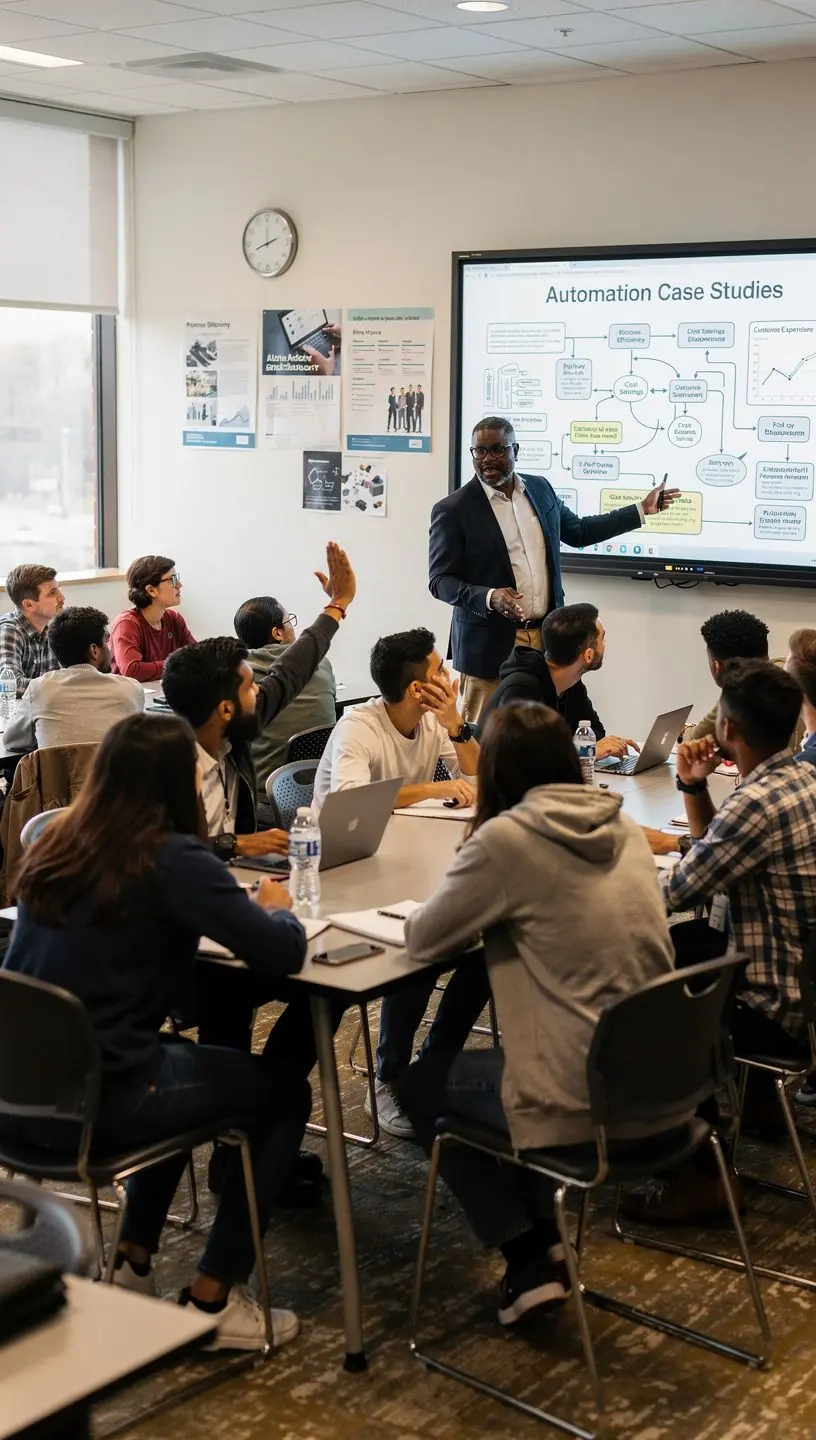
"Automation in retail is not just about replacing human tasks but enhancing the overall shopping experience for customers." - Retail Industry Expert
Key Technologies Driving Automation
Several technologies are playing a pivotal role in retail automation:
- Self-Checkout Systems: These allow customers to scan and pay for their items without cashier assistance, reducing wait times significantly.
- Inventory Management Software: Automated systems track stock levels in real-time, helping retailers maintain optimal inventory and reduce waste. Research suggests that effective inventory management can lead to a 20% improvement in stock accuracy.
- Chatbots and Virtual Assistants: Many retailers are employing AI-driven chatbots to handle customer inquiries, which can improve response times and enhance customer satisfaction. Studies show that businesses using chatbots can see a 30% increase in engagement.
Enhancing Customer Experience Through Automation
Implementing automation in retail not only streamlines operations but also enhances the customer journey. For instance, many stores are utilizing automated recommendation systems that analyze customer purchasing behavior, providing personalized suggestions and improving sales.
This works because personalization has been shown to increase customer loyalty; a report from McKinsey indicates that 71% of consumers expect companies to deliver personalized interactions. However, retailers should recognize that such systems require initial setup and ongoing management to be effective.
Challenges and Limitations
While the benefits of automation are significant, it is essential to acknowledge the limitations:
- Implementation can involve substantial upfront costs, making it unsuitable for smaller retailers without sufficient investment.
- There is often a learning curve associated with integrating new systems, which can temporarily disrupt daily operations.
- Automated solutions may not serve all customer segments effectively, particularly those who prefer personalized human interaction.
Case Study: A Successful Retail Automation Implementation
A prominent grocery chain recently integrated self-checkout systems across its locations. Initially, it faced challenges including customer resistance and technical difficulties. However, after investing in staff training and customer education, the chain saw a 25% reduction in checkout times and a notable increase in customer satisfaction scores. This case illustrates how targeted implementation and support can lead to successful automation outcomes.
Conclusion
Automation holds significant potential for improving operational efficiency and customer experience in the retail sector. However, successful implementation requires careful consideration of the associated costs, time investments, and ongoing management. Retailers that approach automation with a well-defined strategy and support system are likely to reap the benefits over time, ultimately enhancing their competitive edge in the market.