
How Robotics Enhance Efficiency in Warehousing
The integration of robotics in warehousing has been a game-changer for many companies, significantly enhancing operational efficiency. According to various studies, businesses that adopt robotic systems can expect notable improvements in productivity and accuracy.
Understanding the Impact of Robotics
Robotics in warehousing typically involves the use of automated guided vehicles (AGVs), robotic arms, and drones to perform tasks such as picking, packing, and inventory management. These technologies are designed to work alongside human workers, optimizing workflows and reducing the likelihood of errors.
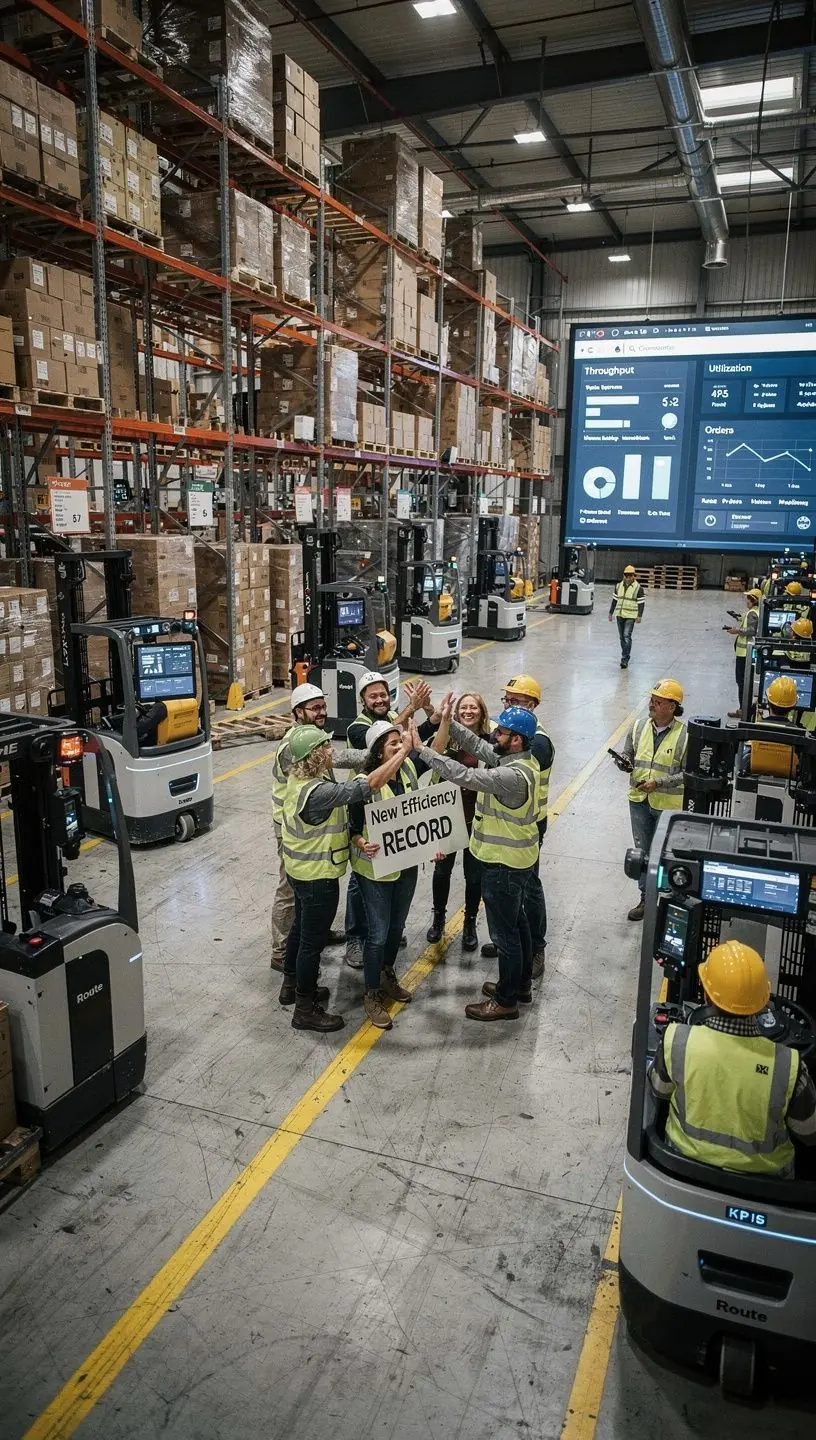
According to a report by the International Federation of Robotics, the use of robotics in logistics and warehousing has increased by approximately 30% over the past five years. This trend is attributed to the growing demand for faster and more efficient supply chain operations.
"Robotics systems can often increase productivity by 20-30% in warehousing contexts, according to industry analyses."
Benefits of Implementing Robotic Solutions
- Increased Efficiency: Robotics can streamline repetitive tasks, allowing human workers to focus on more complex activities. This division of labor can lead to faster order fulfillment and improved overall efficiency.
- Enhanced Accuracy: Many users report that automated systems help reduce errors in picking and packing. The precision of robots can lead to fewer returns and higher customer satisfaction.
- Scalability: Implementing robotics may require an initial investment, but many businesses find that this is offset by long-term savings. As demand fluctuates, robotic systems can be adjusted to match operational needs more effectively than a traditional workforce.
Challenges to Consider
While robotics can significantly enhance efficiency, there are challenges to be aware of:
- Initial Investment: The upfront costs associated with acquiring robotic systems can be considerable. It's essential to perform a cost-benefit analysis to ensure that the investment aligns with projected returns.
- Integration Complexity: Integrating robotics into existing operations may require time and expertise. Organizations need to assess their current processes and determine how best to incorporate new technology effectively.
- Workforce Adjustment: The introduction of robotics may lead to workforce changes. Staff may need to adapt to new roles that focus on overseeing and maintaining robotic systems.
Conclusion
In summary, the implementation of robotics in warehousing operations is a proven approach to enhancing efficiency and accuracy. While the initial investment and integration process require careful planning, many companies have found that the long-term benefits significantly outweigh these challenges. By leveraging robotic technology, organizations can position themselves for success in an increasingly competitive market.
Explore Further