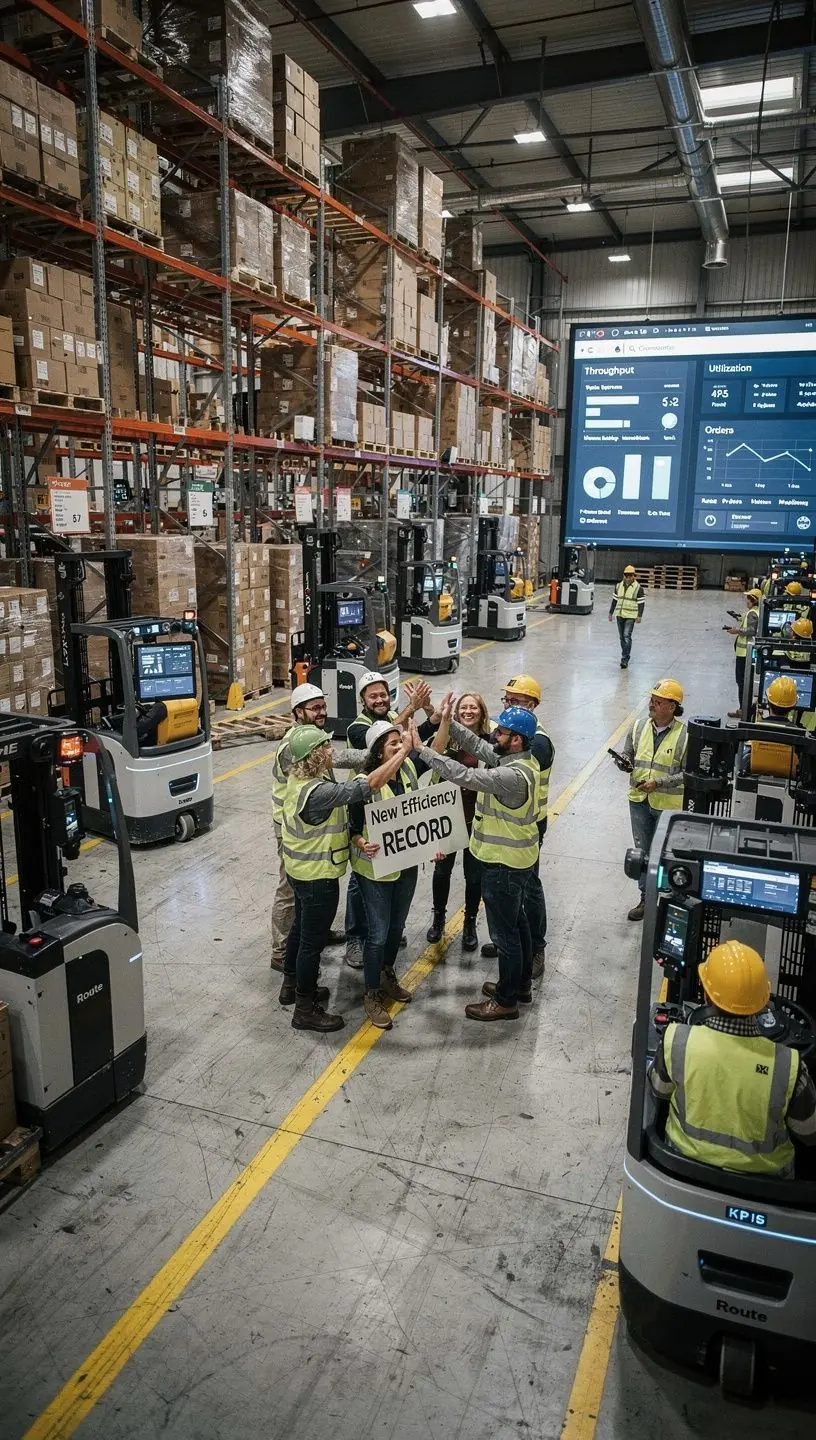
The Intersection of Automation and Artificial Intelligence
As industries continue to evolve, the integration of automation and artificial intelligence (AI) is becoming increasingly significant. This article explores how these technologies intersect and the potential efficiency improvements they can offer to businesses operating in the United States.
Understanding the Basics
Automation involves technology that performs tasks with minimal human intervention, while artificial intelligence refers to systems that can mimic human cognitive functions such as learning and problem-solving. Together, these technologies can create processes that not only enhance efficiency but also reduce the margin for error.
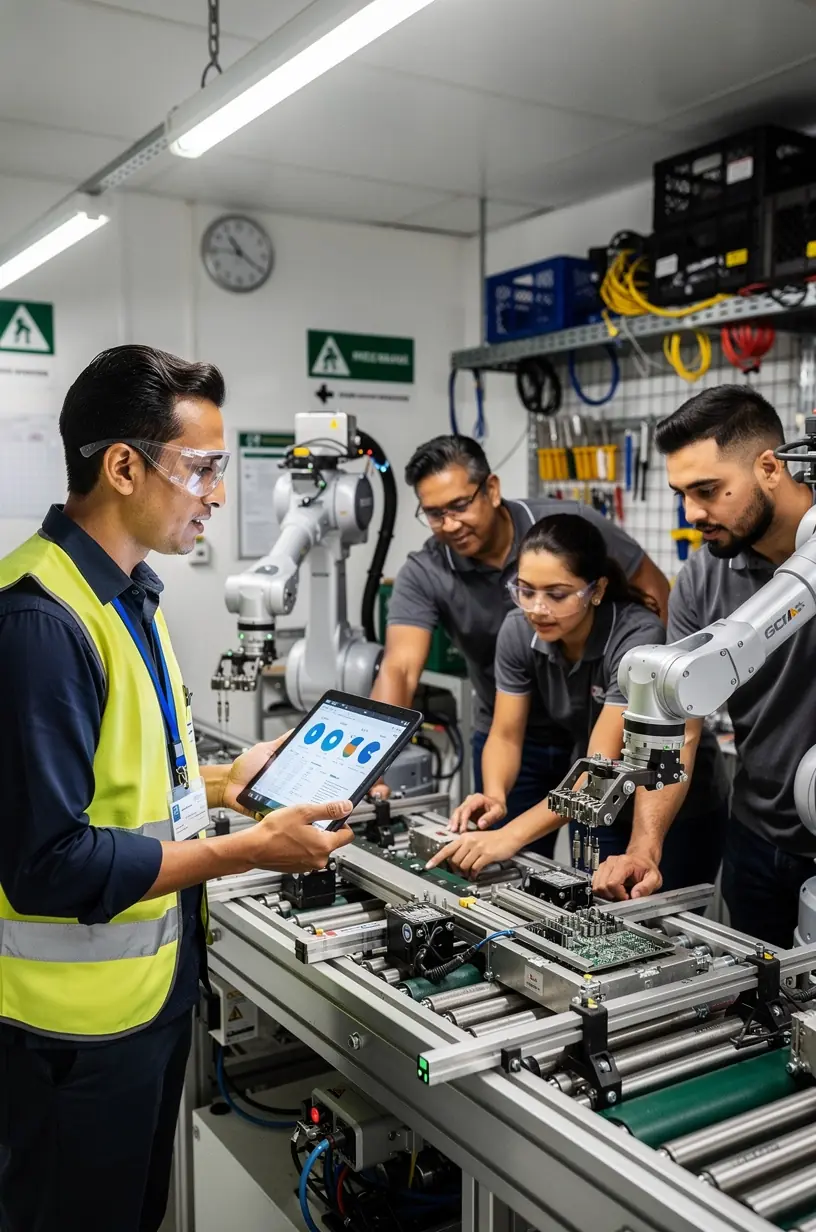
"The combination of automation and AI can drive significant operational improvements, with many organizations reporting productivity gains of 20-30%."
Real-World Applications
Many companies in the U.S. are leveraging automation and AI to optimize their operations. Here are a few notable examples:
- Manufacturing: Automated assembly lines integrated with AI-driven quality control systems can detect defects in real-time, significantly reducing waste.
- Customer Service: Chatbots powered by AI can handle common inquiries, freeing up human agents to focus on more complex issues, which can improve customer satisfaction and retention.
- Supply Chain Management: AI algorithms can analyze vast amounts of data to forecast demand and optimize inventory levels, leading to reduced costs and improved delivery times.
How Automation and AI Work Together
The synergy between automation and AI lies in their ability to enhance each other's capabilities. Automation handles routine tasks, while AI analyzes data and learns from patterns, which can lead to smarter automation solutions. This combination can create a feedback loop where automated processes become increasingly efficient over time.
For instance, according to industry experts, companies that implement predictive maintenance systems—where AI predicts equipment failures—typically see reductions in downtime and maintenance costs.
Acknowledging Limitations
While the benefits of integrating automation and AI are clear, it is essential to acknowledge some limitations. Implementing these technologies often requires:
- A significant initial investment in infrastructure and software.
- Time for employees to adapt to the new systems, which usually takes several weeks or even months.
- Ongoing maintenance and updates to ensure the systems remain effective and secure.
Conclusion
The intersection of automation and artificial intelligence presents a promising avenue for efficiency improvements across various industries in the U.S. While these technologies can lead to enhanced productivity and reduced operational costs, businesses should also prepare for the challenges associated with their implementation. By understanding how these systems work together and setting realistic expectations, companies can position themselves to harness the full potential of automation and AI.