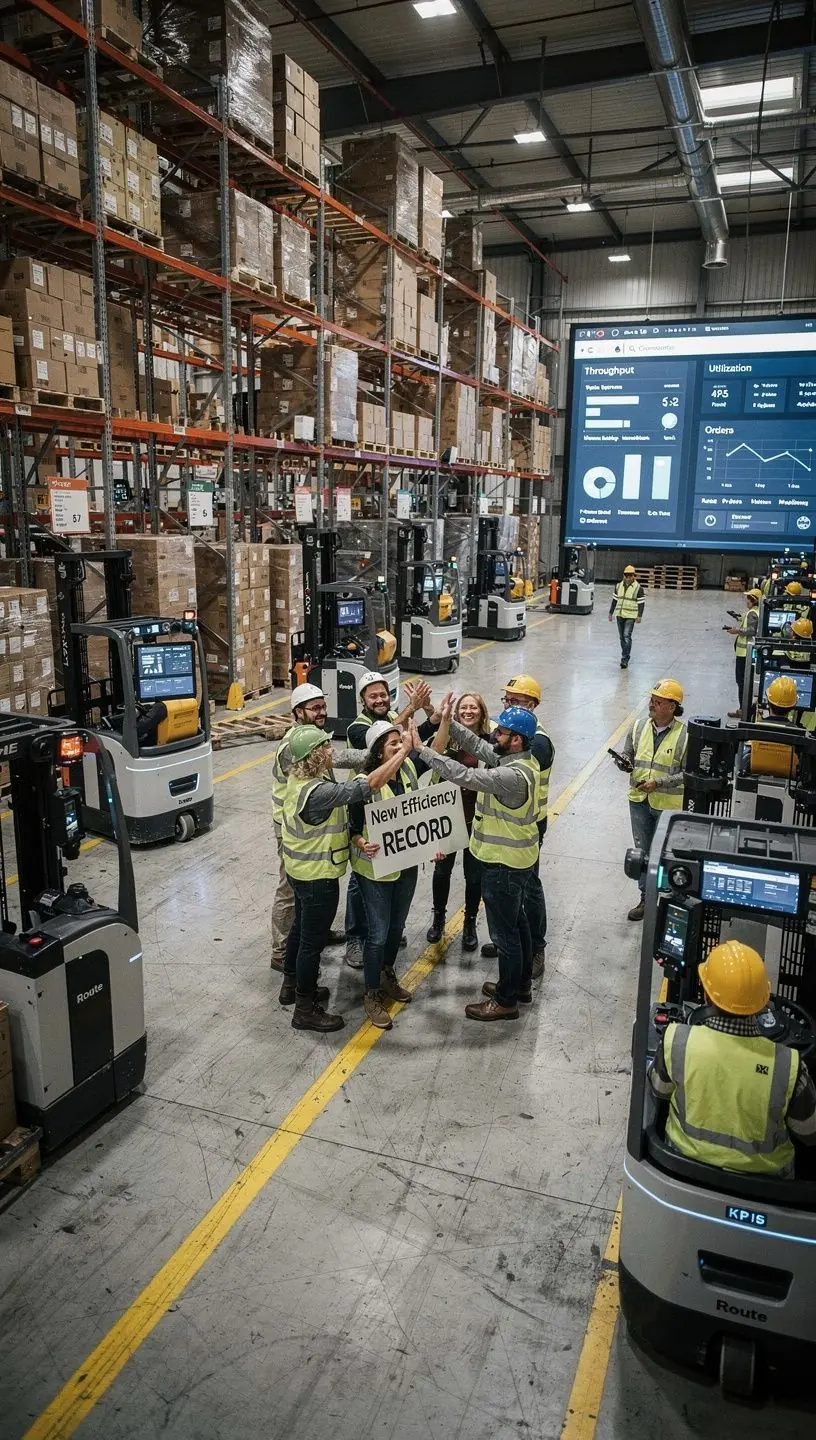
Understanding Process Automation in Manufacturing
In the rapidly evolving landscape of manufacturing, process automation is becoming a pivotal element in enhancing efficiency, reducing costs, and improving product quality. This article explores the fundamentals of process automation, its applications, and the benefits it can bring to manufacturing operations.
Understanding the Basics
Process automation refers to the use of technology to automate complex business processes and functions beyond just individual tasks. According to industry research, automating processes can result in productivity improvements of approximately 20-30% in manufacturing settings. This improvement is largely due to the streamlined workflows and reduced human error.

Key Technologies Driving Automation
- Robotic Process Automation (RPA): RPA utilizes software robots to automate repetitive tasks, allowing human workers to focus on higher-value activities.
- Industrial IoT (Internet of Things): Connecting machines and sensors to the internet enables real-time data collection and analysis, leading to optimized operations.
- Machine Learning: Machine learning algorithms can analyze data patterns to improve predictive maintenance and inventory management.
"Studies indicate that companies implementing automation technologies often see a significant reduction in operational costs and an increase in efficiency." - Industry Expert
Practical Applications of Process Automation
Manufacturers typically apply automation in several areas:
- Production Line Automation: Automated machinery can enhance production rates while maintaining quality standards.
- Quality Control: Automated systems can perform inspections with precision, minimizing defects and ensuring product reliability.
- Supply Chain Management: Automation can help track inventory levels and manage orders more effectively, reducing delays.
Implementing these practices typically requires a two to three-month timeline for setup and integration into existing systems. Many organizations report that initial investments in these technologies are often recouped within a few years due to efficiency gains.
Challenges and Considerations
While process automation can offer substantial benefits, it is important to acknowledge certain limitations:
- Initial Investment: Automation solutions often require significant capital expenditure, which may not be feasible for all manufacturers.
- Learning Curve: Employees may need time to adapt to new technologies, which can temporarily affect productivity.
- Maintenance and Upkeep: Automated systems require ongoing maintenance and updates to ensure they function optimally.
Conclusion
Process automation in manufacturing presents an effective approach for enhancing efficiency, improving product quality, and reducing costs. By understanding the technologies involved, practical applications, and potential challenges, manufacturers can make informed decisions about integrating automation into their operations. As with any significant change, careful planning and consideration of both the benefits and limitations are crucial for success.
Explore Further